

Being a vegan or a health enthusiast and making healthy eating choices can seem tedious. As you have to find sufficient sources for adequate nutrition, you struggle to maintain a balanced diet. Additionally, you are looking for plant-based food sources to consume the essential part of your nutrition, that is daily protein intake.
Meanwhile, several health enthusiasts are sourcing healthier protein sources with lesser carbohydrates and fats. And the quest ends with plant-based protein sources such as legumes, beans, and protein powders such as Blessed Protein.
And, in this post, you will learn how plant-based protein can benefit your health and how much you should consume. So, without any further ado, scroll to read!
What Is Plant-Based Protein?
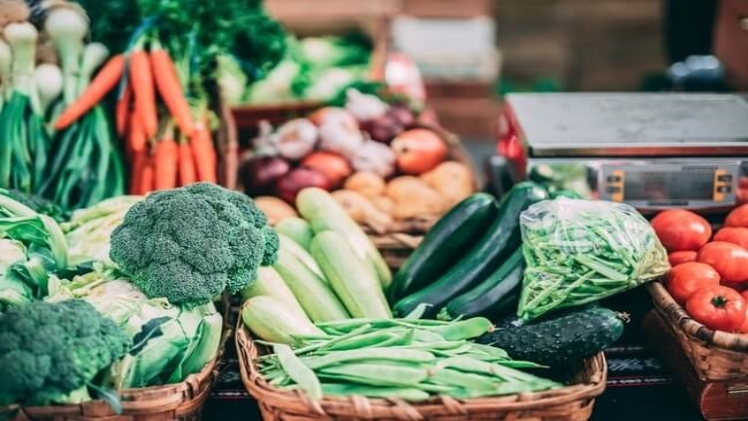
Plant-based protein is referred to as the protein extracted solely from plants. The foods involved in plant-based protein are abundant, and you can derive plant-based protein from nuts, legumes, seeds, beans, and vegetables.
- Broccoli
- Kale
- Asparagus
- Mushrooms
- Wheat
- Lentils
The above-mentioned foods are some examples of plant-based protein. Alternatively, you can also consume plant-based proteins from protein powders, such as Blessed Protein, and much more.
How Much Protein Do People Require?
Protein makes an essential component of every cell in the human body. In addition, protein is required to build muscles, repair tissues, produce hormones and enzymes, and grow hair and nails.
Meanwhile, unlike fats and carbohydrates, protein does not get stored in your body. Thus, you need to consume protein adequately in your diet.
The Academy of Nutrition and Dietetics recommends 0.8 grams of protein per kilogram of body weight each day, and the amount mentioned is minimum. So, if you are trying to lose weight or build muscles, you can increase the amount of protein in your diet.
Based on the amount mentioned, you can calculate your daily protein intake needs. And accordingly, you can plan your plant-based protein sources.
Advantages of Consuming Plant-Based Protein
As the world gradually opens up to the idea of veganism, plant-based protein is in much demand. Moreover, individuals have found several advantages of consuming plant-based protein instead of animal-based protein.
The points below emphasize the advantages of plant-based protein.
Weight Control
Adding plant-based protein eliminates the additional fats you may get from animal-based protein. In addition, you can manage your weight better as your appetite is reduced and you do not have cravings. Moreover, plant-based protein sources are higher in fiber and essential nutrients and lower in carbohydrates and fats. Thus, you can reduce your calorie intake and gain protein intake.
Allergy Safe
If you are allergic to certain food types, you may face issues consuming your daily protein intake. However, if you switch to plant-based protein sources, chances of triggering any allergies are reduced as they are hypoallergenic. Moreover, they have excellent bioavailability.
Meanwhile, if you are lactose intolerant and face issues such as eczema, headaches, lethargy, you would benefit from plant-based protein.
Fibrous Meal
Another fascinating benefit of adopting a plant-based protein diet is you would consume fibrous meals, and thus, your gut health will improve. This is because, with fibrous meals, your digestive system can run smoothly.
Keeps You Fuller
You would have noticed, animal-based protein increases your appetite. So, if you want to stick to your diet, it will be difficult to eat less if you consume animal-based protein.
On the other hand, the plant-based protein sources, legumes, and beans make you feel fuller and less bloated. Additionally, fiber curbs the cravings and manages your appetite, thus you feel fuller.
Plant-based proteins have not only positive effects on health but also on the environment. Moreover, they have excellent bio-availability and are easy to digest.
So, are you planning to add plant-based protein to your diet? If so, you will find several sources and protein powder companies you can choose from.
