

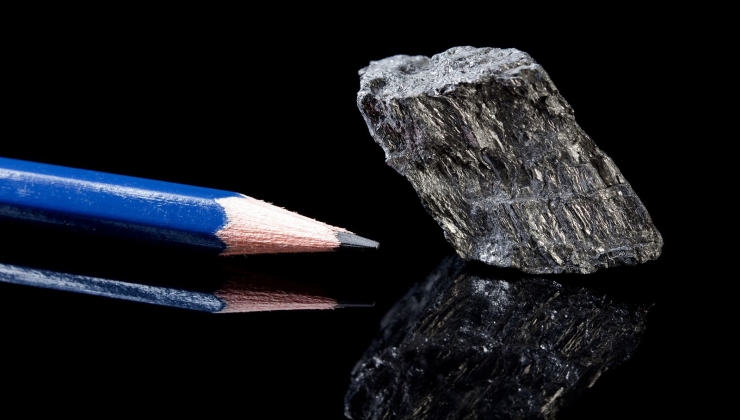
Carbon graphite products are known for their high thermal and electrical conductivity, exceptional chemical resistance, and superior mechanical strength. Because of their distinct and versatile properties, they are considered one of the best engineering materials available. This blog explores carbon graphite’s versatile applications and how they improve efficiency, throughput, and durability.
Graphite’s Primary Uses
The demand for natural and synthetic graphite continuously increases as technology advances. Before delving into their industry-specific applications, let’s explore their most common uses:
Enabling Seamless Metal Production
One of graphite’s main applications is graphite electrodes. These are vital in electric arc furnaces (EAFs) for producing steel, iron, and non-ferrous metals. These electrodes have superb electrical conductivity and can handle temperatures beyond 3,000°C. They can also carry currents up to 150,000 amperes to effectively melt scrap metals and reduce impurities.
Crafting Robust, Long-Lasting Metals
Carburization is a heat treatment process that involves replenishing carbon lost during manufacturing. Carbon additives, including synthetic and natural graphite, are diffused into molten iron and steel surfaces with low carbon. Doing so increases their carbon content and significantly boosts the metals’ strength and wear resistance.
Streamlining Furnace Efficiency
Refractory bricks and linings for furnaces, kilns, incinerators, and reactors are built to perform in high-temperature environments. Infusing them with graphite enhances thermal conductivity and resistance to thermal shocks and corrosion, repels molten slag, and reduces thermal gradients. It extends the furnaces’ working life, increases steel output, reduces downtime, and minimizes operating costs.
Enhancing Endurance Against Extreme Conditions
Carbon graphite has a unique atomic structure that demonstrates excellent dry lubricating properties. Its layers are weakly bonded and slide past each other effortlessly, resulting in low friction levels.
As lubricants, graphite can also protect commercial and industrial machinery from degradation, even under high pressures and temperatures. Moreover, they are available in different forms, including films, fluid dispersions, and solid powder.
Driving Battery Performance
Natural and synthetic graphite is in demand as active anode materials in lithium-ion batteries powering electric vehicles and consumer electronic devices. It boosts electrical conductivity, chemically inertness, and corrosion resilience as lithium ions intercalate between the graphite’s layered crystal structure during charging and discharging.
Silicon and carbon fiber additives may also be combined with graphite to further improve battery capacity and life cycle. Graphite is also useable in other battery types and fuel cells, a testament to its versatility.
Industry-Specific Applications
Carbon graphite products have entered numerous sectors, each leveraging its unique characteristics. Here are some industries that depend on them:
Automotive
Carbon graphite is essential for building high-performance vehicles and enhancing their safety. Graphite in brake linings and pads dissipates heat efficiently, eliminating brake fade risks and improving braking effectiveness.
Additionally, graphite is a choice material for engine gaskets and seals because of their resilience against extreme temperatures and corrosive operating conditions. It is also used in clutches, which require excellent frictional properties for smoother and more responsive gear shifts.
Aerospace
Carbon graphite has become an invaluable material for manufacturing modern aircraft components. Aircraft manufacturers prefer it because it’s lightweight, incredibly sturdy, and capable of withstanding extreme temperatures and harsh environments. This material is used in everything, from structural parts to thermal protection systems, to ensure the aircraft’s safety and efficiency.
Electrical
The electrical industry often uses graphite products to fabricate electric devices and components, particularly motor brushes. These brushes are crucial to conducting electricity between rotating and stationary machine parts, ensuring smooth motor operation. Graphite’s natural resistance to deterioration also helps extend the brushes’ longevity and decrease downtime and maintenance costs.
Industrial
Carbon graphite materials are frequently used in industrial settings since they can survive varying temperatures and stresses. For instance, furnace linings perform at their peak without degrading when integrated with graphite.
Molds and dies made from carbon graphite are also preferred in manufacturing due to their durability and precision. This material’s stability under extreme temperatures and corrosion resistance make it the perfect choice for creating intricate and quality parts.
Medical
Carbon graphite also finds different uses in the medical sector. Because of its biocompatibility and sterilization resistance, it’s suitable for producing safe and reliable diagnostic equipment, surgical instruments, and other medical devices. It’s also usable in creating lightweight, durable, and long-lasting artificial limbs. These prosthetics are comfortable for patients and enable them to move more naturally.
Leverage the Power of Carbon Graphite
Carbon graphite has become indispensable across multiple industries, from enhancing vehicle safety and performance to enabling seamless manufacturing operations. Its unique properties emphasize its versatility and pivotal role in technological innovations and our quality of life. The demand for graphite products will likely continue to grow, with research and development efforts to explore more applications in progress.
