

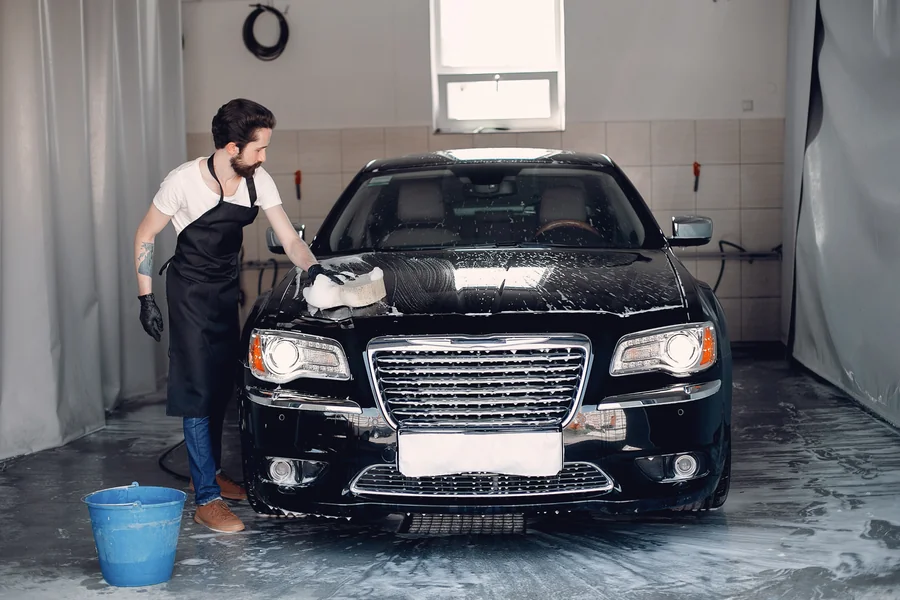
Your vehicle is one of the most significant investments you can make, and just like any other investment, it requires proper care and attention. Whether you drive daily or occasionally, maintaining your car’s condition is essential for safety, performance, and long-term value. Here are some practical ways to improve your vehicle’s condition and keep it running smoothly for years to come.
1. Schedule Regular Oil Changes
One of the most essential steps in vehicle maintenance is changing the engine oil regularly. Oil lubricates the engine’s moving parts and prevents overheating and excessive wear. Over time, oil breaks down and becomes less effective, which can lead to engine damage if left unchecked. By following your manufacturer’s recommended oil change interval, you can keep your engine running efficiently and avoid costly repairs.
2. Keep Tires in Good Shape
Your tires have a direct impact on your vehicle’s safety, handling, and fuel efficiency. Check tire pressure at least once a month and keep them inflated to the recommended PSI. Also, inspect for uneven wear, which could indicate alignment issues or suspension problems. Don’t forget to rotate your tires regularly to ensure even wear across all four wheels. Proper tire maintenance not only improves driving performance but also extends tire life.
3. Install New Tires When Needed
Even with proper maintenance, tires have a limited lifespan. Worn or bald tires reduce traction and increase the risk of hydroplaning, especially in wet or icy conditions. If you notice shallow tread depth, visible cracks, or frequent air loss, it may be time for a replacement. Investing in high-quality tires can improve grip, boost fuel efficiency, and guarantee a smoother, safer ride. For best results, consult tire specialists or auto service experts in your area, such as those from St. Lucie Battery and Tire, who can help you choose and install the right set for your vehicle. It’s a simple yet impactful way to enhance both performance and safety.
4. Change Air Filters Frequently
Your vehicle has two primary filters: the engine air filter and the cabin air filter. The engine air filter keeps dirt and debris from entering your engine, while the cabin filter keeps the air inside your car clean. Over time, both filters become clogged and less effective. Replacing them as needed improves engine performance, enhances fuel efficiency, and ensures cleaner air for you and your passengers.
5. Inspect and Replace Brake Components
Your braking system is critical to your safety. Worn-out brake pads, low brake fluid, or damaged rotors can severely compromise stopping power. Listen for signs like squealing, grinding, or a soft brake pedal. These may indicate it’s time to inspect your brakes. Replacing brake components when necessary not only improves vehicle performance but also guarantees safer driving conditions.
6. Check and Maintain Fluid Levels
Fluids play a vital role in your vehicle’s operation. These include coolant, engine oil, brake fluid, transmission fluid, and power steering fluid. Low or dirty fluids can lead to overheating, poor performance, or system failure. Regularly checking and topping off or flushing these fluids as recommended by your owner’s manual is a simple way to keep your vehicle running smoothly.
7. Maintain Battery Health
A dead battery can leave you stranded without warning. Regularly inspect your battery for corrosion, leaks, or a bloated casing. Make sure that the terminals are clean and secure. If your battery is more than three years old, have it tested during routine maintenance. Replacing an aging or weak battery prevents sudden breakdowns and guarantees reliable engine starts.
8. Get a Professional Car Wash
A clean car isn’t just about aesthetics; it’s about long-term preservation. Dirt, grime, road salt, and bird droppings can slowly damage your vehicle’s paint and undercarriage. Visiting a professional auto shop near you, like Warrior Car Wash, for a thorough car wash ensures these harmful contaminants are properly removed, protecting your vehicle’s finish and value. Don’t forget to ask about waxing services too—regular waxing adds a protective layer against the elements. A well-maintained exterior not only looks great but also helps prevent rust and corrosion over time.
9. Keep the Interior Clean and Organized
While engine and mechanical components are crucial, the interior of your vehicle also needs attention. Clean your car’s interior regularly to prevent wear and tear. Use sunshades to protect the dashboard and seats from UV damage, vacuum the carpets, and condition leather or vinyl surfaces. A clean and comfortable interior improves your driving experience and preserves resale value.
10. Follow a Maintenance Schedule
Your vehicle’s manufacturer provides a maintenance schedule for a reason; it outlines what needs to be serviced and when. Following this schedule helps catch potential issues early and guarantees that every system in your car is getting the attention it needs. Whether it’s replacing spark plugs or checking your timing belt, staying on top of scheduled maintenance is key to improving and preserving your vehicle’s condition.
Improving your vehicle’s condition isn’t about waiting for things to go wrong; it’s about being proactive. From regular oil changes and tire care to professional car washes and filter replacements, simple habits can go a long way. By taking the time to maintain your vehicle properly, you not only ensure your safety and comfort on the road but also protect your investment in the long run. Start with the tips above and make car care part of your routine—you’ll notice the difference every time you drive.
